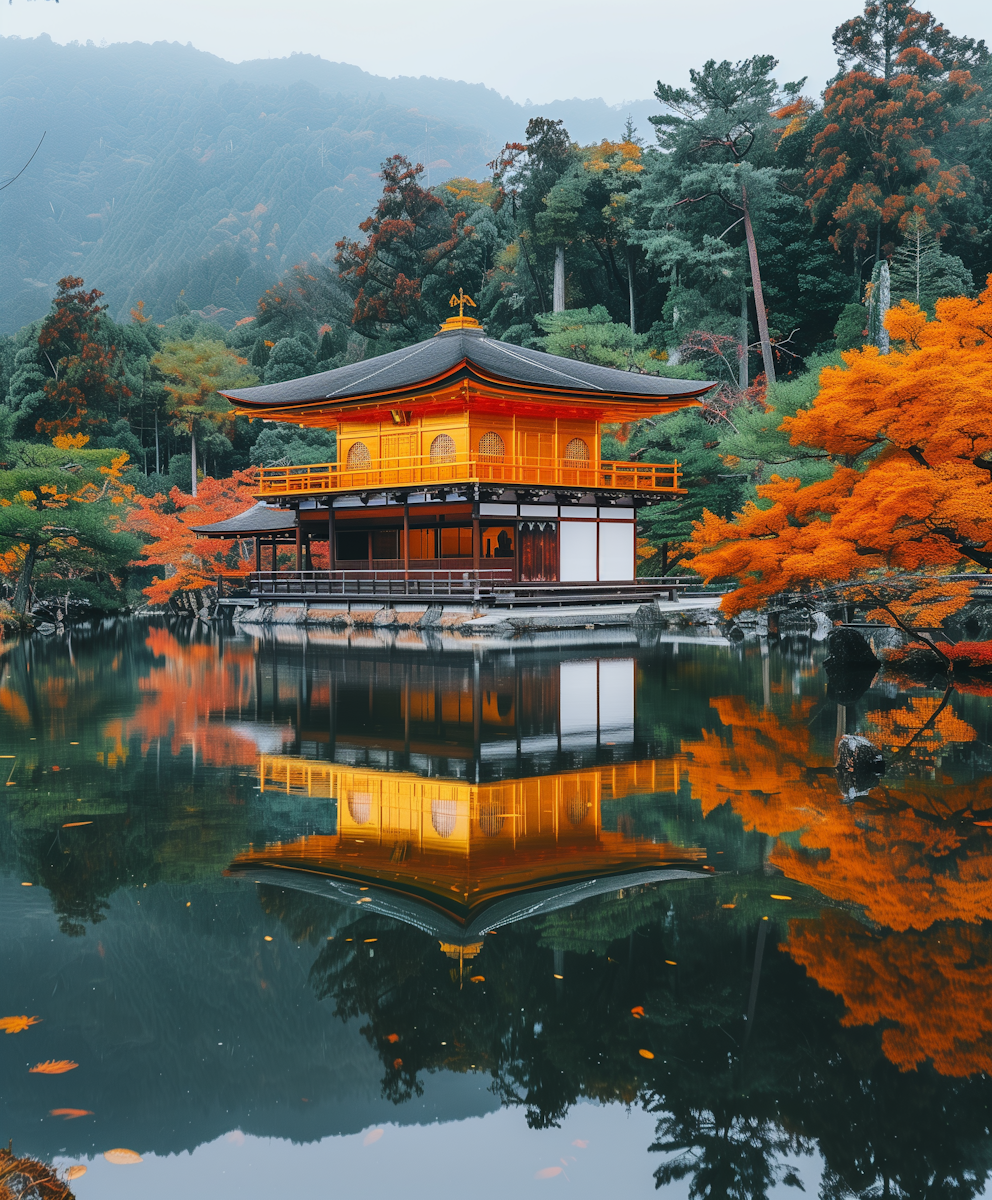
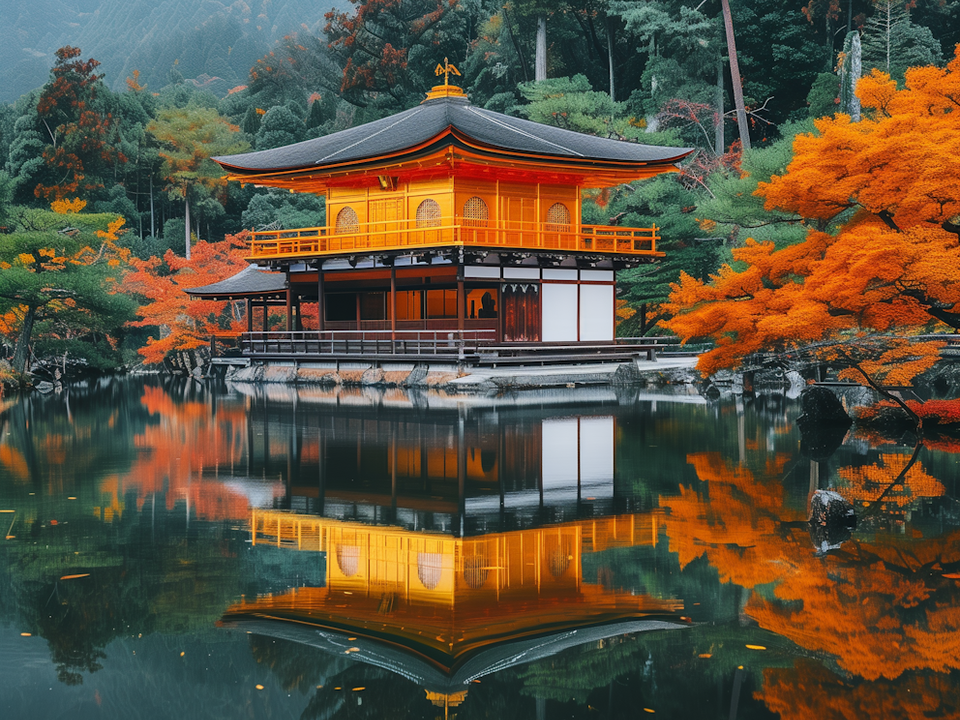
Spring and its cherry blossom get most of the attention, but plenty of travellers who know Japan well prefer autumn. The air is crisp, the summer humidity has gone, and for a few weeks the temple gardens of Kyoto and the parks of Tokyo turn red, orange and gold. For a first trip from Dhaka, a week split between the two cities gives you old Japan and modern Japan in one go.
When the leaves usually turn
Autumn colour moves south and downhill across Japan. It starts in Hokkaido and the mountains in late September and October, and reaches Tokyo and Kyoto later, usually from mid-November into early December. The exact peak shifts from year to year with the weather, so it is worth watching the forecasts that Japanese weather services publish each autumn.
If your dates are fixed, aim for the second half of November. Even if you arrive a little early or late, there is usually something in colour, and the ginkgo trees in Tokyo turn a bright yellow at around the same time.
Kyoto: temples and maple colour
Kyoto was the imperial capital for more than a thousand years, and it is the heart of an autumn trip. These places are especially loved in the maple season:
- Kiyomizu-dera, with its wooden stage over a hillside of trees
- Tofuku-ji, famous for the view of a valley of maples from its wooden bridge
- Eikan-do, one of the city's best-known temples for autumn leaves
- Arashiyama, with the bamboo grove, the river and the hills behind
- Fushimi Inari, the shrine with thousands of orange gates up the mountain
Kyoto is busy in late November, and the famous spots are at their calmest early in the morning. Start at the place you care most about, then slow down in the afternoon. Some temples hold evening illuminations in the season, which are well worth a look. Give Kyoto at least three nights; a day trip to the deer park and temples of Nara fits in easily.
Tokyo neighbourhoods worth your time
Tokyo is less a single city than a collection of very different neighbourhoods linked by superb trains. Pick a base near a major station, such as Shinjuku or Ginza and Tokyo Station, and explore from there.
- Asakusa: Senso-ji temple and the old shopping lane in front of it
- Shibuya and Harajuku: the famous crossing, street fashion and the calm forest around Meiji Jingu shrine
- Shinjuku: neon, department stores, and Shinjuku Gyoen garden in autumn colours
- Ueno: a big park with museums, and a lively market street nearby
Halal food is easier to find in Tokyo than many people expect, and restaurants often display it clearly. Kyoto has fewer options, so it helps to note a few in advance.
The bullet train and IC cards
The Shinkansen links Tokyo and Kyoto in a little over two hours on the fastest trains. Trains are frequent, spotless and punctual. Heading from Tokyo to Kyoto, sit on the right-hand side for a chance to see Mount Fuji on a clear day. Large suitcases may need a reserved space on some trains, so check when you book.
Whether a Japan Rail Pass is worth it depends on how much you travel. For a simple Tokyo and Kyoto trip, separate tickets often work out fine, so compare before you buy.
Inside each city, get an IC card such as Suica, PASMO or ICOCA. You top it up and tap in and out on trains, subways and buses, and you can use it at convenience stores and vending machines too. It saves buying a ticket every time.
A few etiquette points
- Keep your voice low on trains and do not take phone calls on board
- Queue in the marked lines on the platform and let people off first
- Take your shoes off where you see a step up or a shoe rack
- Carry your rubbish with you, because public bins are rare
- Do not tip; good service is simply expected
Visa and practical planning
Bangladeshi passport holders need a visa for Japan. Applications usually ask for a clear itinerary, hotel bookings, flight reservations and proof that you can pay for the trip, but the exact requirements change, so Softway Travels checks the current rules before you apply for your visa. Start early, because November is a popular time and hotels in Kyoto fill fast.
Pack layers. Days can be mild and sunny while mornings and evenings feel cold, and you will walk a lot, so bring comfortable shoes.
Softway Travels can plan and book a Kyoto and Tokyo autumn trip with flights, hotels, the bullet train and visa support, timed for the best chance of colour.