Umrah & Hajj4 min read
Umrah step by step: a guide for first-time pilgrims
From ihram on the flight out of Dhaka to tawaf, sa'i and the visit to Madinah: a calm, practical walk-through of your first Umrah.
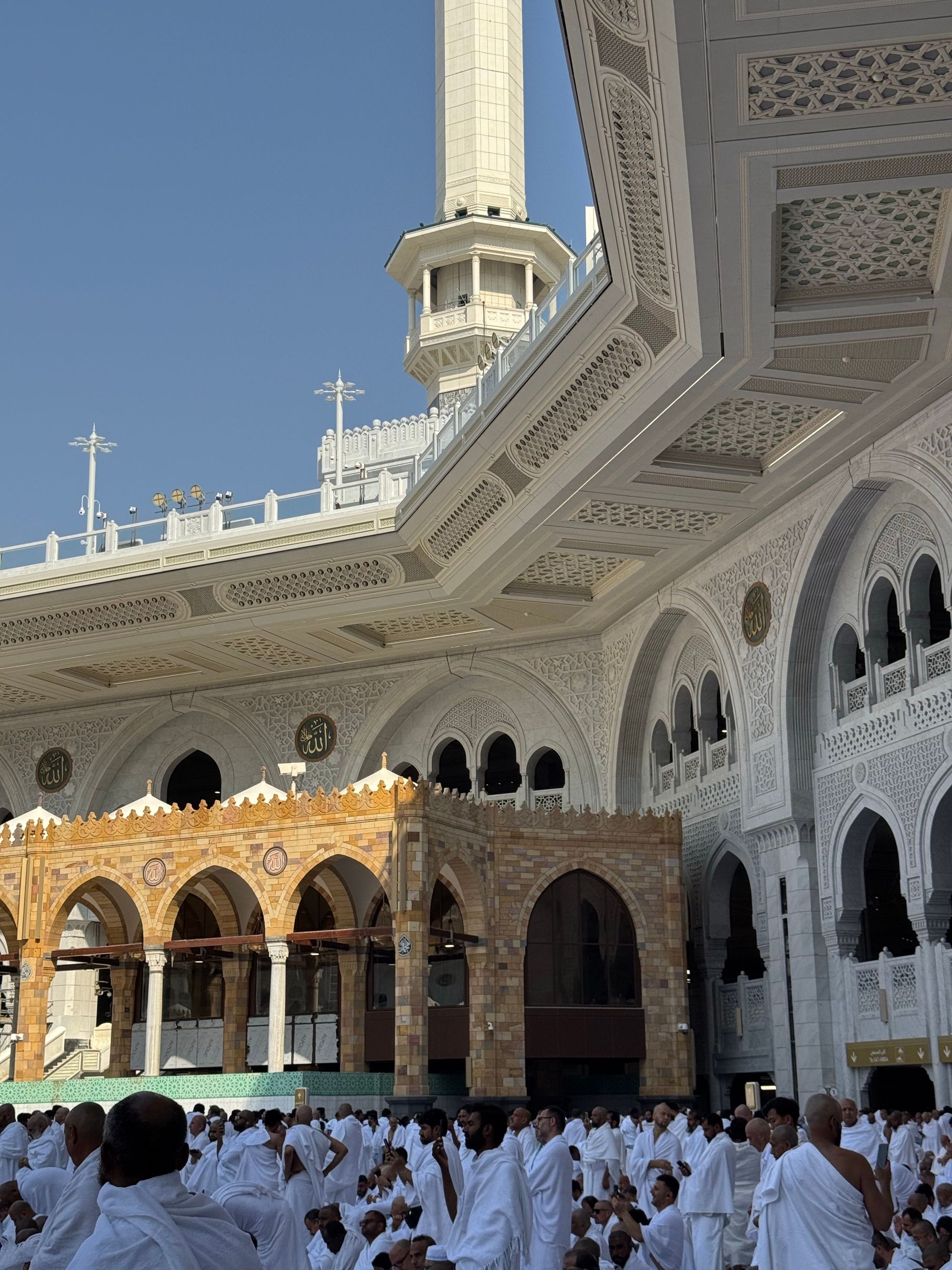
Your first Umrah can feel like a lot to hold in your head: the rites, the crowds, the travel, and often an elderly parent beside you. The rites themselves are few and simple. What helps most is knowing the order before you leave Dhaka, so that once you arrive your mind is free for worship rather than logistics. This guide sets out the steps in plain language. For questions of ruling, such as what to do if a step is missed or done out of order, please ask a qualified scholar you trust.
Before you fly: niyyah, ihram and the miqat
Umrah begins with ihram, the sacred state you enter with an intention (niyyah) before crossing the miqat, the boundary pilgrims must not pass without it. Flying from Dhaka to Jeddah, you cross the miqat in the air, so you can't wait until you land.
Most pilgrims from Bangladesh bathe and put on ihram clothing at home or at the airport, then make the intention on the plane shortly before the miqat. Crews on these routes usually announce when the aircraft is approaching it. If your group goes to Madinah first, you will normally enter ihram later, at the miqat on the road from Madinah to Makkah, so check the plan with your group leader.
- Men wear two unstitched white sheets and keep the head uncovered.
- Women wear ordinary modest clothing; the face and hands are left uncovered.
- In ihram, avoid perfume, cutting hair or nails, and arguments. Begin the talbiyah once your intention is made.
Tawaf around the Kaaba
On reaching Masjid al-Haram, you perform tawaf: seven circuits around the Kaaba, anticlockwise, starting and ending in line with the Black Stone. You don't need to touch the stone; raising your right hand towards it at the start of each circuit is enough, and far kinder to the people around you.
Afterwards, pray two rak'ahs, behind Maqam Ibrahim if there is space or anywhere else in the mosque, and drink Zamzam water. There are no fixed words you must say during tawaf. Make du'a in your own language from the heart.
Keep your group together by agreeing a meeting point you can recognise, such as a numbered gate, before you start each rite.
Sa'i between Safa and Marwah
Next comes sa'i: walking seven times between the hills of Safa and Marwah, now enclosed inside the mosque. You begin at Safa and finish at Marwah, with each one-way length counting as one. The route is long, smooth and air-conditioned, and there are upper levels which are often calmer than the ground floor.
Halq or taqsir: completing your Umrah
After sa'i, men either shave the head (halq) or shorten the hair (taqsir). Women cut a small length from the ends of their hair, about a fingertip. With this your Umrah is complete and the restrictions of ihram end. There are barbers near the mosque, and many pilgrims bring a small pair of scissors for women in the family.
Crowds, heat and elderly family
Most of the strain of Umrah is physical rather than spiritual. A little planning keeps everyone well:
- Time the rites for quieter hours where you can. Your group leader will know the busy patterns.
- Arrange wheelchairs for older parents. They are available for tawaf and sa'i, and the upper floors are easier to move along.
- Drink water often, wear comfortable sandals and keep a small bag with medicines, phone and ID.
- Write the hotel name in Arabic and English and put it in every family member's pocket.
- Rest between rites. Nothing requires you to finish everything within hours of landing.
Madinah: the Prophet's Mosque
Visiting Madinah is not part of the Umrah rites, but almost every pilgrim from Bangladesh includes it, and many say it is the part of the journey they remember most. You pray in Masjid an-Nabawi, send greetings to the Prophet (peace be upon him) and his companions, and visit places such as Quba Mosque and Jannat al-Baqi. Access to the Rawdah is usually by a booked time slot, and the way this works changes from time to time, so your group leader will confirm it once you're there.
Visa rules for Umrah also change, and the documents asked for can differ by season. We check the current requirements for you when you apply.
If you would like this journey arranged for you, from the Umrah visa and flights to hotels close to the Haram and a calm pace for older family members, Softway Travels can plan it with you. See our Makkah Umrah package or our Umrah services to get started.
Planning this trip?
Tell us your dates and who is travelling, and our desk will help you plan the rest.
Ask usHajj & UmrahPlanning this trip?
Tell us your dates and who is travelling, and our desk will help you plan the rest.
Packages for this trip
Hajj & Umrah
See how we helpKeep reading
Umrah & Hajj2 min read
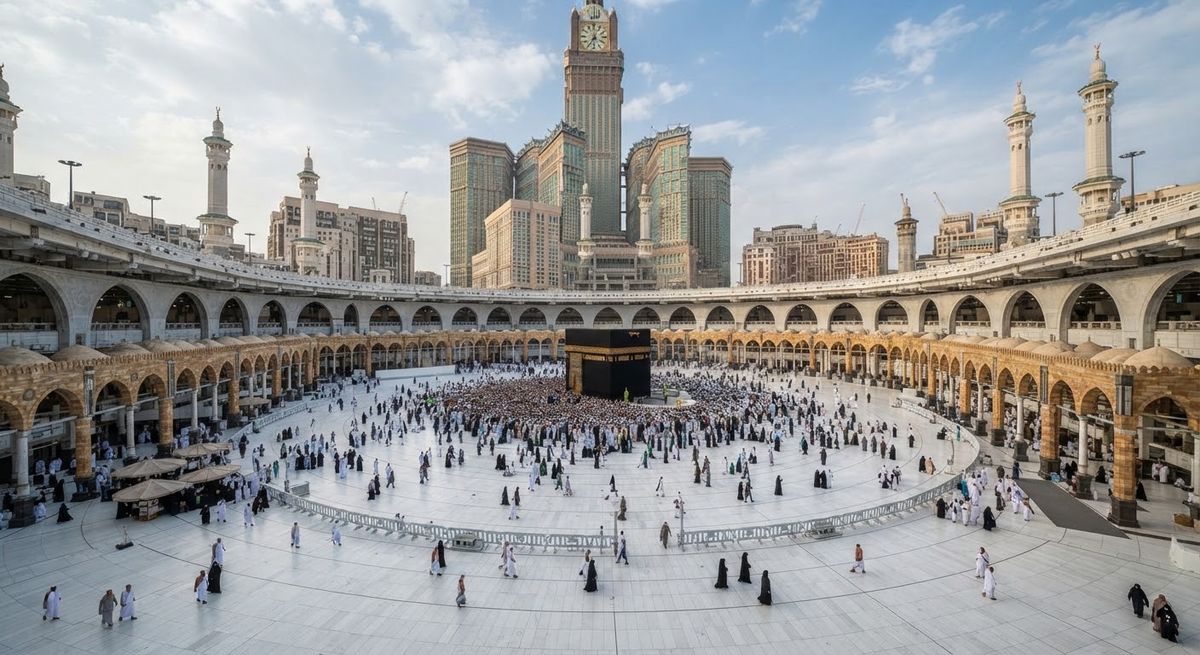
What to pack for Umrah from Dhaka
A practical packing list for Umrah from Dhaka: documents, ihram, clothes, medicines and the small things pilgrims most often forget.
Umrah & Hajj4 min read
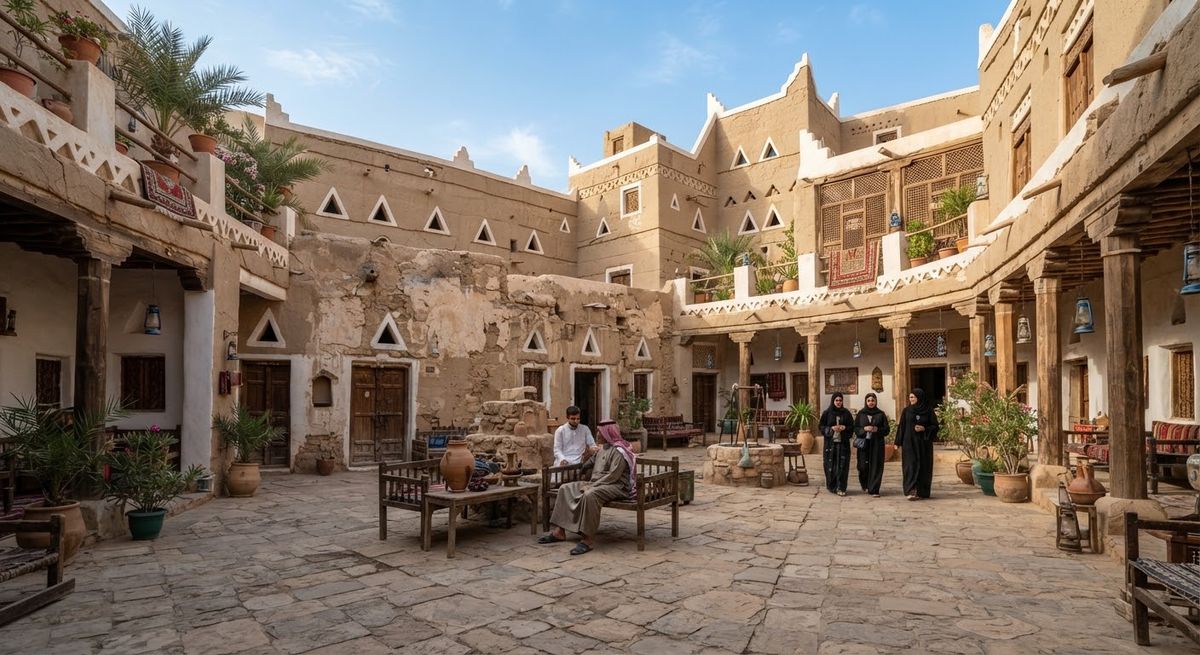
Adding Jeddah, Taif and Madinah ziyarah to your Umrah
A few extra days around Umrah: Jeddah's historic Al-Balad and Corniche, cool Taif in the hills, ziyarah in Madinah, and rest for elderly family.

Holidays3 min read
Best time to visit the Sundarbans, and the June to August closure
The Sundarbans is open to tourists from September to May and closed from June to August. Which months are best, month by month.
Tell us where you want to go.
Send us your route, dates or visa question. A consultant checks it and sends you a clear price quote.
- Phone
- +880 1700-000808
- +880 1700-000808
- Office hours
- Sat–Thu, 9:30–19:30
- Office
- Flat 2C (2nd Floor), Sky Heights, Holding 848, Ashkona, Dakshinkhan, Dhaka 1230Get directions
Your passport details and documents stay private. We use them only for your booking.